 Global Trade
La Boqueria Barcelona: Iconic Fresh Food Market in the Heart of the City
La Boqueria Barcelona: The Iconic Fresh Food Market at the Heart of the City
In the bustling heart of Barcelona, just off the famous La Rambla, lies a culinary landmark that has captivated locals and visitors for centuries: La Boqueria. Officially known as the Mercat de Sant Josep de la Boqueria, this vibrant market is not merely a place to buy groceries; it is a living testament to Barcelona's rich commercial and cultural heritage. With its kaleidoscopic array of fresh produce, seafood, meats, and artisanal goods, La Boqueria has become one of Europe's most visited attractions, drawing millions of tourists annually while remaining a vital daily shopping destination for residents. For global business audiences, La Boqueria offers a fascinating case study in how traditional markets adapt to modernity, balancing tourism with local needs, and sustaining economic relevance in an increasingly digital world.
The market's story is one of resilience and reinvention. From its origins as a traveling market outside the city walls to its current status as a must-see destination, La Boqueria has continually evolved. Today, it stands at the intersection of tradition and innovation, grappling with challenges such as overtourism, supply chain disruptions, and the need to preserve its authentic character. Its influence extends beyond Barcelona's borders, serving as a model for market revitalization projects in cities like London's Borough Market, New York's Chelsea Market, and Singapore's Tekka Centre. As global trade in fresh food continues to grow, La Boqueria's experience offers valuable lessons for stakeholders in retail, tourism, and urban planning. This article provides an in-depth analysis of La Boqueria's history, offerings, economic impact, challenges, and future outlook, framed within a global context.

Historical Background and Context
The history of La Boqueria is deeply intertwined with the development of Barcelona itself. The market's origins date back to 1217, when a group of farmers and merchants began gathering outside the city walls to sell their goods. This informal market, known as a "boqueria" (likely derived from the Catalan word for goat meat, "boc"), gradually grew in size and importance. By the 15th century, it had become a permanent fixture, and in 1583, the construction of a dedicated market structure began. However, it wasn't until 1840 that the current site was officially inaugurated, with the construction of the metal roof structure that still stands today, designed by architect Josep Mas i Vila. The market's location at the entrance of La Rambla, Barcelona's most famous boulevard, ensured its prominence as a commercial hub.
Over the centuries, La Boqueria has weathered numerous challenges, including fires, economic downturns, and political upheavals. During the Spanish Civil War, the market remained open, serving as a vital source of food for the city's population. In the post-war years, it played a key role in Barcelona's economic recovery, providing affordable goods to a growing urban population. The market's architecture and layout have also evolved, with the addition of modern facilities while preserving its historic charm. The iconic stained-glass entrance, added in 1914, and the colorful mosaic sign are now recognized symbols of Barcelona. In 2005, the market underwent a significant renovation to improve infrastructure and hygiene, reflecting its ongoing adaptation to contemporary standards.
The historical context of La Boqueria is also marked by its role in shaping Barcelona's food culture. The market has been a melting pot of Catalan, Spanish, and international influences, showcasing the region's gastronomic diversity. It has served as a gathering place for chefs, food writers, and entrepreneurs, contributing to the city's reputation as a culinary capital. The market's resilience and ability to reinvent itself have made it a beloved institution, deeply embedded in the identity of Barcelona. Its history offers insights into how traditional markets can survive and thrive amid urbanization and globalization, providing a blueprint for other cities seeking to preserve their commercial heritage.
Key Features and Offerings
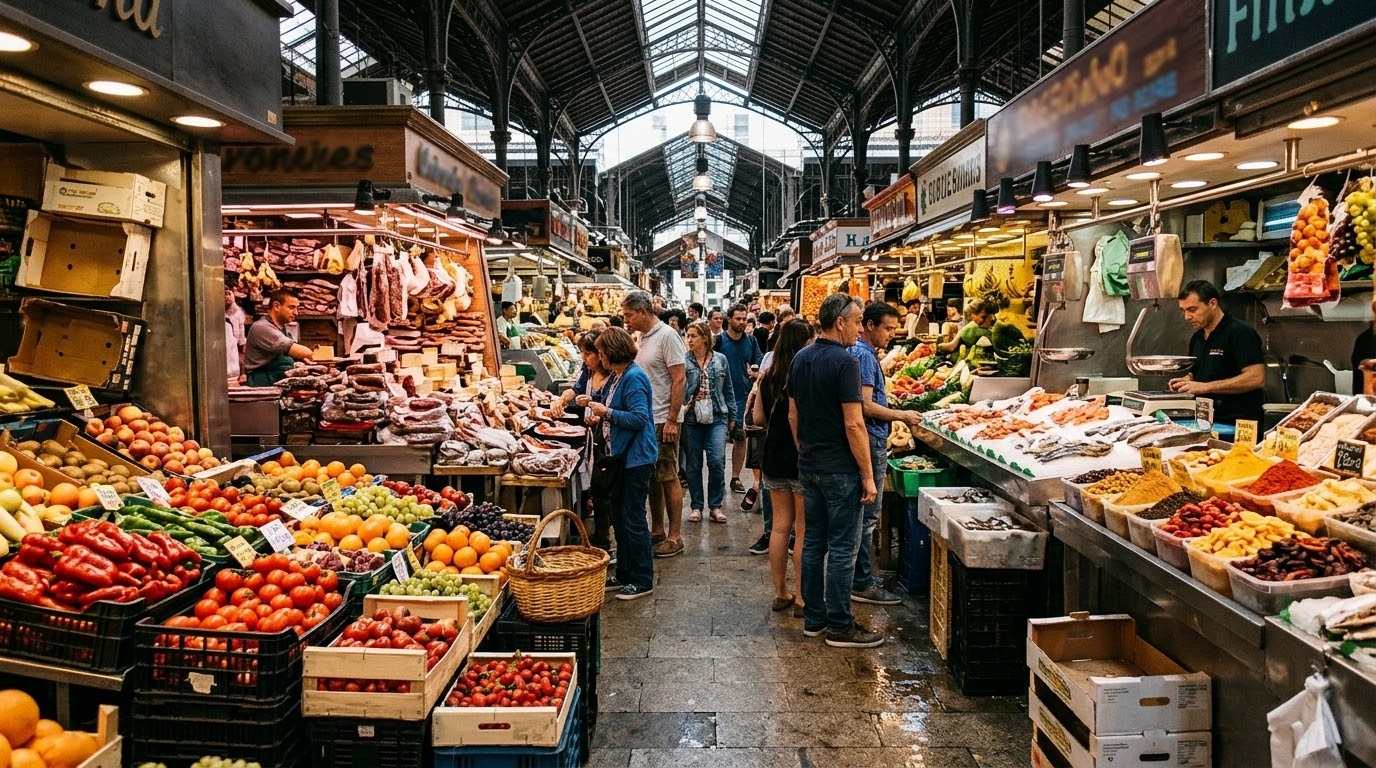
La Boqueria is renowned for its extraordinary variety and quality of fresh food products. Spanning over 2,500 square meters, the market houses more than 300 stalls, each specializing in a particular category. The visual spectacle is overwhelming: rows of gleaming fish and seafood on ice, vibrant fruits and vegetables arranged in artistic displays, cured meats hanging from hooks, and mountains of spices and nuts. The market is organized into sections, with dedicated areas for fishmongers, butchers, greengrocers, and delicatessens. This layout allows visitors to navigate the maze of stalls and discover the best of Catalan and Spanish gastronomy.
Among the key offerings are the legendary jamón ibérico, cured to perfection and sold in various grades; fresh seafood sourced from the Mediterranean and beyond, including prawns, squid, and the famous percebes (goose barnacles); and an array of fruits and vegetables, many of which are local and seasonal. The market is also a treasure trove of specialty products such as olive oils, cheeses, olives, and dried fruits. Several stalls offer ready-to-eat foods, including tapas, empanadas, and freshly squeezed juices, catering to the growing number of tourists seeking a quick bite. The famous Bar Pinotxo, a tiny eatery within the market, is a pilgrimage site for food lovers, known for its chickpeas with blood sausage and other Catalan dishes.
Beyond its physical offerings, La Boqueria provides an immersive experience that engages all the senses. The sights, sounds, and smells create a vibrant atmosphere that is both chaotic and charming. The market is not just a place to shop; it is a cultural attraction where visitors can interact with vendors, learn about local produce, and taste the flavors of Catalonia. This experiential aspect has been a key driver of its popularity among tourists. However, it also presents challenges, as the market must balance the needs of daily shoppers with those of camera-toting visitors. The market's management has implemented measures to preserve its authenticity, such as limiting the number of souvenir stalls and promoting local products. These efforts aim to ensure that La Boqueria remains a genuine market, not just a tourist trap.
economic impact and global Relevance
The economic impact of La Boqueria extends far beyond its stalls. As one of Barcelona's most visited attractions, it contributes significantly to the city's tourism revenue. Pre-pandemic, the market attracted over 30 million visitors annually, according to estimates by market authorities. This foot traffic benefits not only the vendors but also surrounding businesses, including restaurants, hotels, and shops. The market supports thousands of jobs, both directly and indirectly, and serves as a incubator for small food businesses. Many successful Catalan food brands started as stalls in La Boqueria, leveraging the market's reputation to gain visibility and credibility. The market's influence on the local economy is substantial, with an estimated annual turnover of hundreds of millions of euros.
Globally, La Boqueria is a benchmark for market revitalization and food tourism. Its success has inspired similar projects in cities such as London, where Borough Market has transformed from a wholesale market into a foodie destination; New York, where Chelsea Market and Eataly have capitalized on the trend; and Singapore, where Tekka Centre combines traditional wet market offerings with hawker food. In Dubai, the Waterfront Market has drawn inspiration from La Boqueria's blend of fresh produce and dining experiences. These markets contribute to urban regeneration, attract investment, and enhance the city's image as a cultural and culinary hub. La Boqueria's model demonstrates how traditional markets can be leveraged to drive economic development and tourism, while also preserving local food heritage.
The market's global relevance is further underscored by its role in the international food trade. La Boqueria is a showcase for Spanish and Catalan products, helping to promote exports. Vendors at the market often supply restaurants and retailers abroad, and the market's reputation for quality has helped raise the profile of Spanish gastronomy worldwide. Additionally, La Boqueria hosts events and exchanges with other markets, fostering international collaboration. For businesses in the food sector, the market offers a unique opportunity to test products and gather consumer feedback. Its success story is frequently cited in business schools and urban planning courses as a case study in sustainable tourism and retail innovation. As cities around the world seek to revitalize their public markets, La Boqueria remains a shining example of how to balance commerce, culture, and community.
challenges and solutions
Despite its success, La Boqueria faces several challenges that threaten its sustainability and authenticity. The most pressing issue is overtourism, which has led to congestion, rising prices, and a shift away from local shoppers. Vendors report that tourists often buy little, take photos, and leave, while locals avoid the crowds. This dynamic risks turning the market into a theme park rather than a functioning food market. Another challenge is the competition from supermarkets and online grocery delivery, which has eroded the market's share of daily shopping. Supply chain disruptions, exacerbated by the COVID-19 pandemic and geopolitical events, have also affected the availability and cost of products. Additionally, the market's aging infrastructure requires continuous investment to meet modern hygiene and safety standards.
To address these challenges, market management and vendors have implemented various solutions. A key initiative is the promotion of local shopping through loyalty programs and awareness campaigns. The market has also introduced measures to manage tourist flows, such as guided tours that educate visitors about market etiquette and encourage purchases. Some stalls have diversified their offerings to include ready-to-eat foods and cooking demonstrations, appealing to both tourists and locals. Digitalization is another solution, with the launch of an online platform for home delivery and click-and-collect services, helping the market compete with e-commerce. In terms of infrastructure, ongoing renovations aim to improve waste management, energy efficiency, and accessibility. These efforts are supported by public-private partnerships and EU funding.
| Challenge | Risk | Solution |
|---|---|---|
| Overtourism | Loss of local customers, congestion, authenticity dilution | Guided tours, tourist taxes, promoting local loyalty programs |
| Competition from supermarkets and online | Declining daily sales, vendor attrition | Online delivery platform, click-and-collect, value-added products |
| Supply chain disruptions | Product shortages, price volatility | Diversify suppliers, local sourcing, strategic stockpiles |
| Aging infrastructure | Safety hazards, hygiene issues | Public-private renovations, EU funding, phased upgrades |
| Vendor succession | Loss of traditional skills, stall closures | Training programs, incentives for young entrepreneurs |
The table above summarizes the main challenges, associated risks, and practical solutions. These strategies are not exhaustive but provide a roadmap for La Boqueria's continued relevance. The market's ability to adapt will depend on collaboration between vendors, local government, and the community. Learning from other global markets, such as London's Borough Market, which has successfully balanced tourism and local trade, can offer valuable insights. La Boqueria's management is also exploring partnerships with tech companies to enhance the visitor experience through augmented reality and digital payments, further modernizing the market while preserving its soul.
Future Outlook
The future of La Boqueria will be shaped by broader trends in retail, tourism, and urban development. As Barcelona continues to position itself as a sustainable and smart city, the market is likely to embrace further digitalization and green initiatives. Plans are underway to reduce plastic waste, increase recycling, and promote sustainable sourcing. The market's role as a community hub may expand, with spaces for workshops, events, and culinary education. There is also a growing emphasis on traceability and quality, with vendors highlighting the origin of their products to meet consumer demand for transparency. These developments align with global trends toward ethical consumption and experiential retail.
However, the market must navigate the delicate balance between tourism and local needs. Overtourism is a concern shared by many popular markets worldwide, from Tokyo's Tsukiji Outer Market to Istanbul's Grand Bazaar. La Boqueria's response will be watched closely by urban planners and business leaders. Potential strategies include limiting tour groups, implementing timed entry, or creating separate zones for tourists and locals. The market's ability to retain its authentic character while adapting to modern demands will determine its long-term success. Additionally, the post-pandemic recovery of tourism will play a crucial role. As international travel rebounds, La Boqueria has an opportunity to reinvent itself as a destination for sustainable and responsible tourism, offering authentic experiences that benefit both visitors and the local community.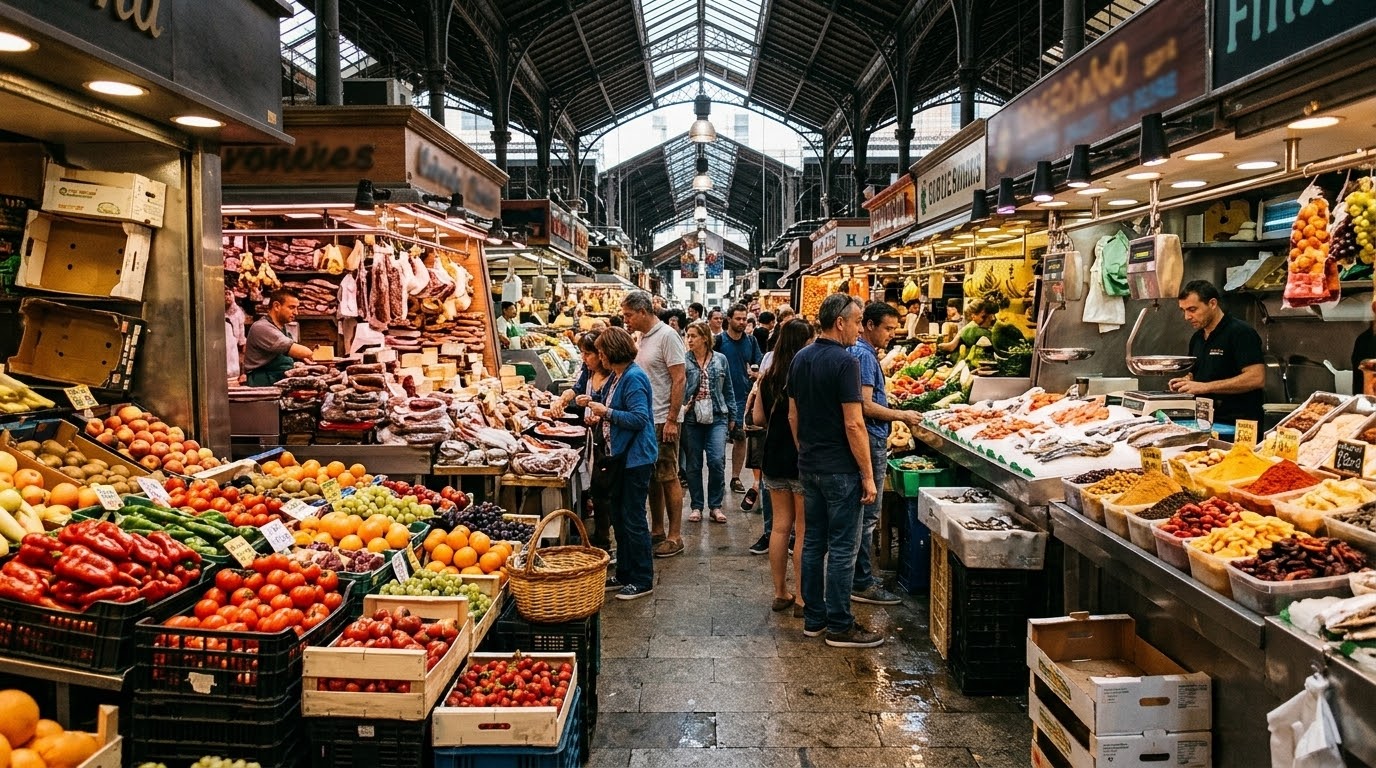
From a global business perspective, La Boqueria's evolution offers lessons for market operators in emerging economies. Cities like Lagos, Nairobi, and Mumbai are investing in modernizing their traditional markets to boost trade and tourism. La Boqueria's emphasis on quality, storytelling, and experience design can serve as a model. Furthermore, the market's experience with online platforms and delivery services provides a template for integrating digital channels into physical retail. As supply chains become more globalized, markets like La Boqueria can also play a role in promoting international trade by showcasing products and facilitating connections between producers and buyers. The future of La Boqueria, therefore, is not just about its own survival but about its capacity to inspire and influence the global market ecosystem.
Conclusion
La Boqueria Barcelona stands as a remarkable example of a traditional market that has successfully navigated the currents of history, economics, and culture. Its journey from a humble outdoor market to a world-renowned culinary destination is a testament to the enduring appeal of fresh, local food and the power of place. For global businesses, La Boqueria offers valuable insights into branding, customer experience, and sustainable tourism. It demonstrates that even in the digital age, physical markets can thrive by offering something that online platforms cannot: a sensory, human-centered experience. At the same time, the market's challenges highlight the need for constant innovation and adaptation. By learning from La Boqueria's successes and setbacks, stakeholders in retail, tourism, and urban planning can better understand how to create vibrant, resilient public spaces that serve both local communities and international visitors.
As La Boqueria looks to the future, its ability to balance tradition with modernity will be key. The market's management, vendors, and partners must continue to collaborate to preserve its unique character while embracing new opportunities. For companies seeking to expand their reach, La Boqueria's story underscores the importance of authenticity and community engagement. In a world where consumers are increasingly seeking meaningful experiences, markets like La Boqueria provide a blueprint for success. Whether in Barcelona, Dubai, Singapore, or beyond, the principles of quality, storytelling, and adaptation remain universal. La Boqueria's legacy is not just a market but a living institution that continues to inspire and nourish both body and soul.
Put Your Brand Where Customers Are Already Searching
building a sustainable brand is only part of the job. Customers also need a convenient place to discover your products and services. TradeBasin provides businesses worldwide with an online marketplace where sellers can present products and services to buyers locally and internationally.
LIST YOUR BUSINESS OR PRODUCTS ON TRADEBASIN


