 General
Sourcing Dream Pairs Lace Up Knee High Boots for Global Retail
Sourcing dream pairs lace up knee high boots for Global Retail
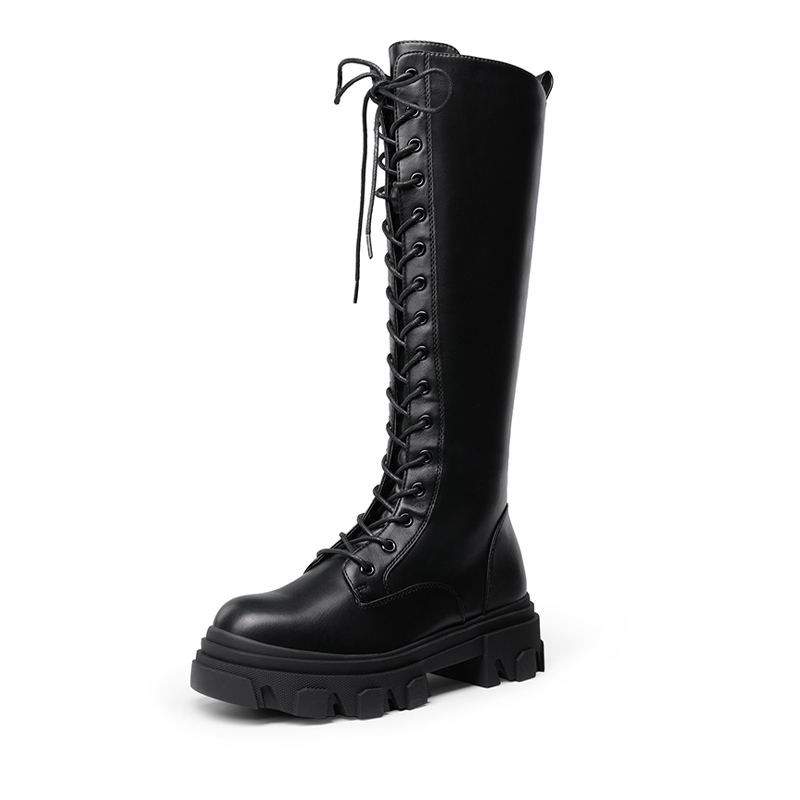
Global footwear sourcing has become one of the most dynamic segments of international trade, with women's boots representing a consistently high-demand category across North America, Europe, the Middle East, and Asia-Pacific. Among the products capturing buyer attention in this space, the dream pairs women's lace-up knee-high boots stand out as a compelling option for retailers seeking a balance of style, functionality, and accessible pricing. Priced at $66.99, these boots combine a chunky heel, smooth PU upper, side zipper, and adjustable lace-up design, making them suitable for both warm and cold weather wardrobes. For importers, wholesalers, and marketplace sellers, understanding the sourcing dynamics, cost structures, and regional demand patterns for this product is essential to building a profitable footwear line.
The global boots market has expanded steadily as fashion cycles accelerate and consumers increasingly shop across borders through digital channels. Knee-high boots, in particular, have maintained a strong presence in seasonal collections because they serve both aesthetic and practical purposes. The Dream Pairs model, with its approximately 17.5-inch shaft from arch and 1.25-inch heel, addresses a wide range of consumer preferences, from casual streetwear to semi-formal ensembles. Retailers in hubs such as Dubai, Singapore, London, New York, Shanghai, Lagos, Nairobi, Mumbai, and Berlin are actively seeking suppliers who can deliver consistent quality at competitive landed costs. This article examines the sourcing landscape for these boots, the product's key features, economic implications, logistical challenges, and future outlook for global retail buyers.

Historical Background and Market Context
The knee-high boot has a long and storied history in global fashion, evolving from functional riding footwear in nineteenth-century Europe to a staple of modern women's wardrobes. Early designs were crafted from leather and designed for horseback riding, with tall shafts protecting the leg from brush and weather. By the mid-twentieth century, designers in Paris, Milan, and New York began adapting the silhouette for everyday fashion, introducing synthetic materials, varied heel heights, and decorative elements such as laces and buckles. The lace-up knee-high boot emerged as a distinct style, blending the practicality of a secure fit with the visual appeal of front-facing lacing. This design allowed wearers to adjust the shaft tightness, a feature that remains relevant for consumers with different calf sizes and layering preferences.
The rise of synthetic materials, particularly polyurethane (PU), transformed the footwear industry by lowering production costs and enabling mass-market accessibility. PU uppers offer a smooth finish that is easy to clean, resistant to minor scuffs, and capable of mimicking the appearance of leather at a fraction of the price. This material innovation allowed brands like Dream Pairs to deliver fashionable boots at price points that appeal to budget-conscious consumers without sacrificing visual quality. The $66.99 price tag positions the product in the accessible premium segment, where buyers expect durable construction, comfortable fit, and contemporary styling.
In the context of global trade, the sourcing of women's boots has shifted significantly over the past two decades. China remains the largest exporter of footwear, with manufacturing clusters in Guangdong, Fujian, and Zhejiang provinces producing millions of pairs annually. However, rising labor costs and trade policy shifts have encouraged buyers to explore alternative production bases in Vietnam, Indonesia, India, and Turkey. For a product like the Dream Pairs lace-up knee-high boot, which relies on a combination of PU, rubber, and textile components, the supply chain typically spans multiple countries. PU is often sourced from chemical suppliers in China or South Korea, rubber soles may originate from Southeast Asia, and final assembly occurs in footwear factories with established export capabilities. Understanding this fragmented supply chain is critical for retailers aiming to manage costs, lead times, and quality control.
The historical trajectory of knee-high boots also reflects changing consumer behavior. In colder markets such as Berlin, London, and New York, knee-high boots are a seasonal necessity, worn with leggings, jeans, and dresses during autumn and winter. In warmer climates like Dubai, Singapore, and Mumbai, the same silhouette is styled for fashion-forward looks, often paired with skirts or shorts during transitional weather. This versatility extends the product's commercial window beyond a single season, allowing retailers to maintain inventory turnover across multiple quarters. The lace-up detail and chunky heel align with current fashion trends that favor utilitarian aesthetics and comfortable elevation, further strengthening the product's market relevance.
Key Features and Product Offerings
The Dream Pairs women's lace-up knee-high boots are defined by a set of features that address both form and function. The PU upper provides a smooth, easy-to-clean surface that resists everyday wear, making the boots suitable for urban commuting and outdoor activities. The chunky heel, measuring approximately 1.25 inches, offers a subtle lift without compromising stability, a factor that appeals to consumers who prioritize comfort alongside style. The shaft measures approximately 17.5 inches from the arch, placing the boots firmly in the knee-high category and providing substantial leg coverage. This height is particularly valued in colder markets where insulation and protection from the elements are important considerations.
The side zipper is a practical addition that simplifies putting on and taking off the boots. Unlike pull-on styles that require flexibility and effort, the zipper allows for quick wearability, a feature that resonates with busy consumers in metropolitan areas such as New York, London, and Shanghai. The lace-up design complements the zipper by enabling wearers to adjust the fit around the calf and ankle. This dual-closure system ensures a snug, personalized fit that accommodates different leg shapes and layering choices. The laces can be kept in place for a comfortable wearing experience, reducing slippage and enhancing overall stability.
The rubber sole contributes to traction and durability, making the boots suitable for varied surfaces, from city sidewalks to light outdoor paths. The chunky platform design aligns with contemporary footwear trends that favor bold, grounded silhouettes. This aesthetic has gained traction in fashion capitals such as Berlin and Seoul, where utilitarian and streetwear-inspired looks dominate seasonal collections. For retailers, these features translate into a product that can be marketed across multiple consumer segments, including young professionals, students, and fashion enthusiasts seeking affordable statement footwear.
From a sourcing perspective, the combination of PU, rubber, and textile components requires careful supplier evaluation. PU quality varies in terms of thickness, flexibility, and resistance to cracking. Buyers should request material specifications and samples to ensure that the upper meets their durability standards. The rubber sole should be tested for grip and abrasion resistance, particularly if the product will be sold in markets with wet or icy conditions. The zipper and laces are critical functional elements that must withstand repeated use. Sourcing teams should verify that zipper pulls are securely attached and that laces are colorfast and resistant to fraying. These quality control measures protect brand reputation and reduce return rates, which is essential for maintaining profitability at the $66.99 price point.
Economic Impact and Global Relevance
The economic significance of women's footwear sourcing extends far beyond individual product margins. The global footwear market is valued in the hundreds of billions of dollars, with women's boots representing a substantial and growing segment. For importers and retailers, the Dream Pairs lace-up knee-high boots offer an opportunity to participate in this market with a product that balances cost and perceived value. At $66.99, the boots are positioned to appeal to middle-income consumers in developed economies and aspirational buyers in emerging markets. This pricing strategy supports volume sales across diverse channels, including e-commerce platforms, brick-and-mortar stores, and marketplace listings.
In Dubai, a major re-export hub, footwear importers often leverage the city's free zones to distribute products across the Middle East and Africa. The lace-up knee-high boots could find strong demand among consumers in Gulf Cooperation Council countries, where fashion spending is high and winter temperatures in some regions justify knee-high styles. Similarly, Singapore serves as a logistics gateway for Southeast Asia, where e-commerce growth has outpaced traditional retail. Retailers in Singapore can use the city-state's efficient port infrastructure to reach buyers in Malaysia, Indonesia, and the Philippines. In London and Berlin, the boots align with European fashion preferences for versatile, weather-appropriate footwear, particularly during autumn and winter seasons.
African markets, including Lagos and Nairobi, present unique opportunities and challenges. Rising urbanization and a growing middle class have increased demand for affordable fashion, but import duties, currency fluctuations, and logistical bottlenecks can affect landed costs. Retailers targeting these markets must factor in customs clearance, local transportation, and last-mile delivery expenses. The $66.99 retail price may need to be adjusted to account for these additional costs, or sourcing strategies may need to prioritize bulk shipments to achieve economies of scale. Despite these challenges, the demand for stylish, durable footwear in African cities continues to grow, driven by young, fashion-conscious consumers.
In India, Mumbai serves as a key entry point for imported footwear, although domestic production also competes strongly in the value segment. The lace-up knee-high boots could appeal to urban consumers seeking international styles at accessible prices. However, retailers must navigate complex import regulations and competitive pricing from local manufacturers. In China, Shanghai represents both a sourcing hub and a consumer market. Domestic brands and international labels compete fiercely, but the Dream Pairs model's combination of features and price point could find a niche among consumers seeking affordable fashion. The economic impact of sourcing these boots therefore varies by region, but the underlying drivers of demand remain consistent: style, functionality, and value.
Challenges and Solutions in Global Sourcing
Sourcing footwear for global retail involves a range of challenges that can affect profitability, brand reputation, and customer satisfaction. The table below outlines key challenges, associated risks, and practical solutions for buyers of the Dream Pairs lace-up knee-high boots.
| Challenge | Risk | Solution |
|---|---|---|
| Quality inconsistency in PU uppers | Customer complaints, returns, brand damage | Request material certifications, conduct pre-shipment inspections, establish quality benchmarks with suppliers |
| Zipper and lace durability | Product failure, negative reviews, replacement costs | Test zipper cycles and lace tensile strength, require supplier warranties, source from vetted component makers |
| Logistical delays | Stockouts, missed seasonal windows, lost sales | Diversify shipping routes, use multiple ports, maintain buffer inventory in regional warehouses |
| Currency fluctuations | Margin erosion, pricing instability | Hedge currency exposure, negotiate fixed-price contracts, adjust pricing dynamically |
| Import duties and tariffs | Higher landed costs, reduced competitiveness | Research free trade agreements, explore bonded warehouses, optimize HS code classification |
| Seasonal demand shifts | Excess inventory, markdowns | Analyze regional weather patterns, plan assortments for multiple seasons, use data-driven forecasting |
Quality control is perhaps the most critical challenge in footwear sourcing. PU uppers can vary in thickness and flexibility, affecting both comfort and durability. Buyers should work with suppliers who can provide consistent material batches and who are willing to submit samples for independent testing. Zippers and laces are frequent points of failure in knee-high boots, particularly when the boots are worn frequently or in harsh conditions. Establishing clear specifications for these components and conducting regular inspections can reduce defect rates. In markets such as Nairobi and Lagos, where repair services may be less accessible, durability is especially important for customer satisfaction.
Logistical challenges require strategic planning. Seasonal demand for knee-high boots peaks in autumn and winter in the Northern Hemisphere, creating pressure to deliver inventory on time. Port congestion, customs delays, and transportation disruptions can derail even the best-laid plans. Retailers can mitigate these risks by diversifying sourcing locations, using air freight for urgent orders, and maintaining safety stock in key markets. In Dubai and Singapore, free trade zones offer storage and re-export advantages that can smooth supply chain fluctuations. Currency fluctuations add another layer of complexity, particularly for buyers purchasing in US dollars and selling in local currencies. Hedging strategies and flexible pricing models can protect margins.
Future Outlook
The future of sourcing women's knee-high boots will be shaped by several converging trends. Sustainability is becoming a central concern for consumers and regulators alike. PU, while cost-effective, is derived from petrochemicals and raises environmental questions. Suppliers are exploring bio-based polyurethanes and recycled materials to reduce environmental impact. Retailers who can offer eco-friendly options may gain a competitive edge in markets such as Berlin and London, where sustainability influences purchasing decisions. At the same time, durability and repairability are gaining importance as consumers seek products that last longer and generate less waste.
Digitalization will continue to transform sourcing and retail. E-commerce platforms, social media marketing, and virtual try-on technologies are changing how consumers discover and purchase footwear. Retailers must optimize product listings with accurate descriptions, high-quality images, and size guides to reduce returns. The Dream Pairs lace-up knee-high boots, with their adjustable laces and side zipper, lend themselves well to online presentation because the fit can be customized. Data analytics will play a larger role in demand forecasting, allowing buyers to align inventory with regional preferences and weather patterns.
Trade policy and geopolitical factors will also influence sourcing decisions. Tariffs, trade agreements, and supply chain disruptions can shift the competitive landscape. Buyers are increasingly adopting a multi-country sourcing strategy to reduce dependence on any single market. This approach requires robust supplier relationships, transparent communication, and investment in quality assurance. As emerging markets in Africa, Southeast Asia, and Latin America continue to grow, opportunities for footwear retailers will expand, but so will competition. The $66.99 price point for the Dream Pairs boots positions them well for value-conscious consumers, but maintaining that price while absorbing cost increases will require operational efficiency and smart sourcing.
Conclusion
The Dream Pairs women's lace-up knee-high boots represent a compelling sourcing opportunity for global retailers. With a PU upper, chunky heel, side zipper, adjustable laces, and rubber sole, the product combines style, comfort, and practicality at a $66.99 price point. Demand for knee-high boots spans diverse markets, from Dubai and Singapore to London, New York, Shanghai, Lagos, Nairobi, Mumbai, and Berlin. Retailers who understand the product's features, economic context, and sourcing challenges can build profitable lines that meet consumer expectations. Success depends on rigorous quality control, efficient logistics, and adaptive pricing strategies. As the global footwear market evolves, products that balance affordability with design and durability will continue to find willing buyers. For importers and marketplace sellers, the Dream Pairs lace-up knee-high boots offer a solid foundation for a competitive footwear offering.
Put Your Brand Where Customers Are Already Searching
building a sustainable brand is only part of the job. Customers also need a convenient place to discover your products and services. TradeBasin provides businesses worldwide with an online marketplace where sellers can present products and services to buyers locally and internationally.
LIST YOUR BUSINESS OR PRODUCTS ON TRADEBASIN


